From Faith to Wealth: The Same Conversation, in Different Rooms
For ten years, I helped people talk about faith. Now I help them talk about wealth. The two conversations turn out to be remarkably similar.
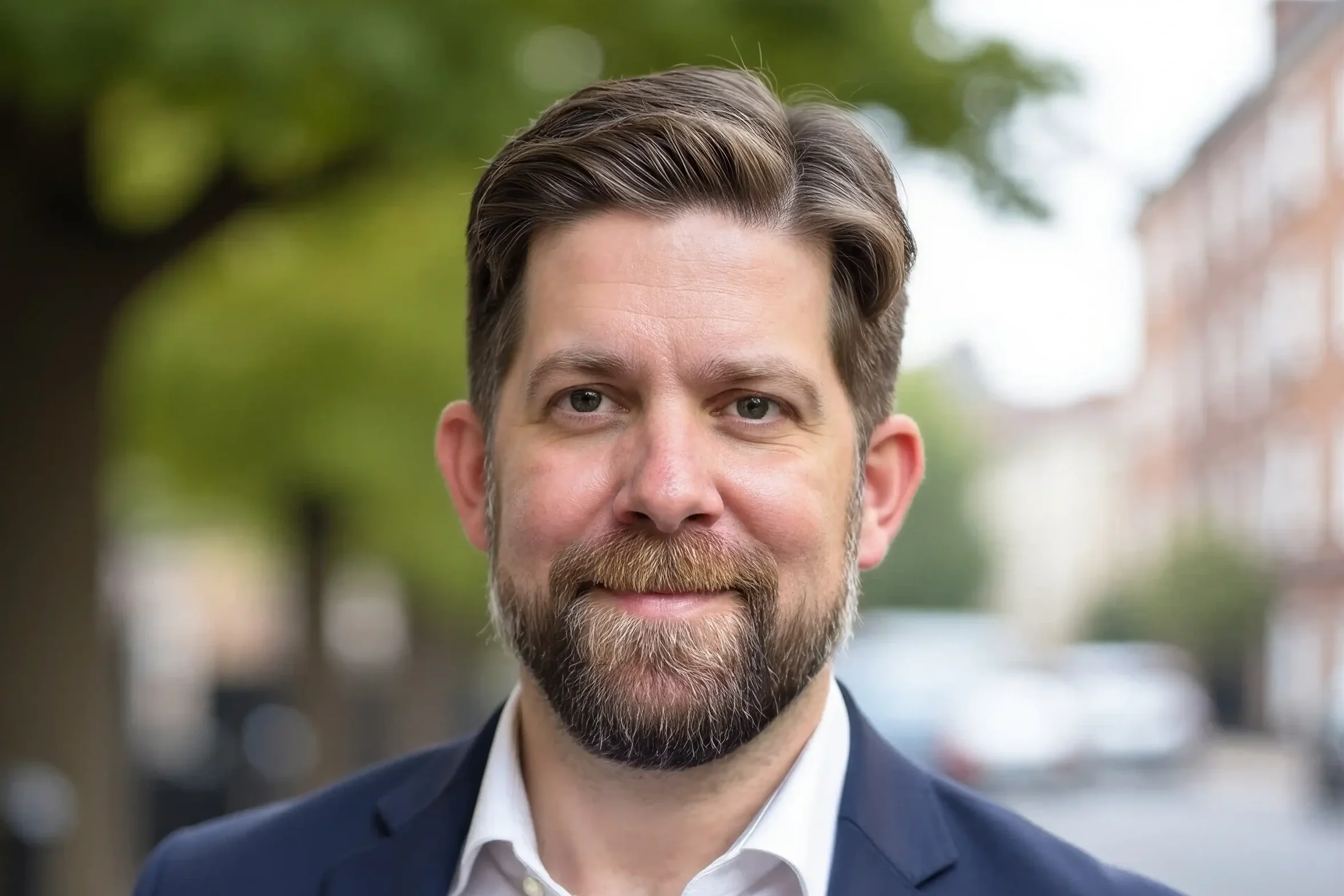
I came to family wealth work the long way around.
My background is in Clinical Pastoral Education, a residency-based training program for chaplains and clergy that emphasizes deep listening, understanding family systems, and the disciplines required to be present with people in the hardest moments of their lives. For a decade, I sat with individuals and families as they navigated illness, grief, transition, and the questions of meaning that show up when everything else falls away. I trained the next generation of chaplains in those same disciplines.
When I began working alongside advisors in the family wealth field, I recognized something. The families they were describing were sitting with the same questions I'd been sitting with all along. Not about medicine or mortality. About wealth. About who they were with it. About what to do with it. About what to tell the next generation, and when, and how.
Different context. Same conversation.
The concept that clarified this for me most, both in my chaplaincy work and now in my consulting work, comes from the pastoral theologian Carrie Doehring. She writes about two kinds of belief.
Embedded belief is the belief you absorbed before you could examine it. It came from your parents, your religious tradition, your culture, your first schoolteachers, the way money was or wasn't spoken about at your dinner table growing up. You didn't choose it. You didn't argue with it. It was just the air you breathed. And because you didn't choose it, you often don't know it's there. It shapes what you think is normal, what you assume is possible, what you assume is right.
Deliberative belief is the belief you've examined and chosen to live by. It's what you've come to believe, on reflection, once you knew there was more than one way to see the thing. It might be the same as what you absorbed, or different, or a modified version. What matters is that it's chosen, not inherited.
The move from embedded to deliberative belief is one of the most consequential developmental tasks of adult life. And it's the same move whether the subject is faith or wealth.
In faith conversations, I saw it consistently. Someone would express a belief they'd never examined. "God punishes people who leave the faith." "Suffering means you're not praying hard enough." "You have to earn your worthiness." They weren't necessarily conscious that these were the beliefs driving their behavior. But when we got curious enough to name them, hold them up to the light, something would shift. Sometimes the person would say, "Actually, I don't believe that anymore, and I haven't for years. I just didn't know I was still operating from it." Sometimes they would say, "You know, I do still believe that, but I want to hold it differently now." Either way, the belief moved from embedded to deliberative. From automatic to chosen. Rather than that belief controlling them in moments of reaction, they became empowered because they chose what was true for themselves.
The same movement, exactly, is what needs to happen in family wealth conversations. Except the beliefs are different.
"Money is dangerous." "We don’t talk about money." "The kids should never know how much there is." "We're not the kind of people who deserve this." “It is easier for a camel to go through the eye of a needle than it is for a rich man to enter the kingdom of heaven.” "Wealth is a burden we have to be careful about." "Wealth is God's blessing on hard work." "If you have it, hold on to it."
Every family carries a set of embedded beliefs. They came from grandparents, parents, religious or ideological backgrounds, the culture the family formed inside. They're absorbed before anyone in the current generation could examine them. And they run silently under every conversation about the estate plan, the trust, the family business, the annual giving, the inheritance timing, the values statement.
Until they're named, they can't be examined. Until they're examined, they can't be chosen. And until they're chosen, no one in the family is actually able to say what they want. They're just reacting from what was given to them.
This is why so much wealth planning gets stuck. Not because the technical work is unclear, but because the family is trying to make decisions from a set of beliefs no one has actually surfaced. The founder is planning from beliefs about legacy he absorbed from his own father. The rising generation is reacting from beliefs about worthiness they picked up before they had words for them. The spouse is bringing beliefs from a family of origin no one else in the room knows anything about. They're all reasoning from selves they have not yet examined.
The work I now do with families is, in many ways, the same work I did in chaplaincy. Slow it down. Name what's actually operating in the room. Distinguish what was inherited from what has been chosen. Give each person the space to figure out what they actually believe, now, as an adult, about wealth and worth and legacy and family.
Only from there can they start to set their own goals. Only from there can they figure out what they actually want.
This is what I mean when I say the work of Attune is to help families attune to what matters most. It doesn't start with the estate plan. It doesn't start with the vision statement. It starts with the belief you didn't know you were carrying. It starts with asking, honestly, what you actually think, now, once you know you have a choice.
That work isn't fast. It isn't easy. But it's the ground everything else has to be built on.
And it turns out to be the same work, whether the room is a hospital chapel or a family conference room. Whether the topic is faith or wealth. Whether what's at stake is the meaning of a death or the meaning of an inheritance.
Different context. Same conversation.